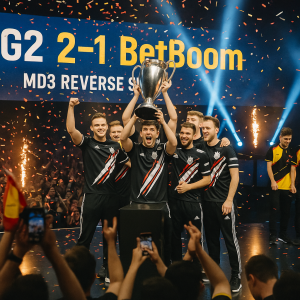
Xizt resumiu a campanha da NIP dizendo que o time perde jogos apertados o ano inteiro
When an experienced observer sums up a squad by saying the team loses tight matches all year, that phrase captures a pattern more than a single failure. In competitive shooters like CS2, tight matches are common and outcomes often turn on a few rounds, a clutch, or a moment of coordination. Treating this observation as a diagnostic rather than a verdict helps teams, analysts, and fans focus on processes that can be improved.
Introduction: what the phrase implies
Saying a team loses close games consistently suggests recurring vulnerability under high-pressure situations. It points to marginal differences in decision making, execution, or mental response rather than wholesale tactical failure. Such a statement invites questions about preparation, team dynamics, and in-game management that are relevant beyond any single season.
For a content audience, understanding this framing helps separate narrative from solution. The phrase is a starting point for exploring why some teams struggle in late rounds and what general practices can reduce that tendency without assigning blame to isolated events.
Main analysis: common factors behind repeated close losses
Mental resilience and pressure handling are central contributors. In high-stakes rounds, even small hesitations or lapses in concentration can swing outcomes. Teams that do not consistently practice pressure scenarios may appear to falter when the moment arrives.
Another factor is decision making under uncertainty. Late rounds require rapid assessment of economy, utility, positional advantages, and opponent tendencies. Teams that rely on reactive play without clear contingency plans can find themselves making suboptimal choices in those decisive moments.
Execution and coordination also matter. Tight matches often hinge on teamwide synchrony rather than individual brilliance. When communication breaks down, utility use is mistimed, or positioning is slightly off, those small inefficiencies compound and can cost tight rounds.
Variance and luck are unavoidable in any esport with many moving parts. Favorable or unfavorable individual outcomes contribute to a perception that a team loses close games, even when underlying processes are sound. Recognizing the role of variance helps maintain a balanced view and avoids overreacting to short-term results.
Main analysis: structural and tactical contributors
Map preparation and rotations influence late-round success. Teams with well-rehearsed rotation patterns, post-plant setups, and retake strategies are better positioned to convert marginal situations into wins. Conversely, gaps in these areas can leave teams exposed in clutch rounds.
Economy management is another structural element. Consistent planning for force rounds, full buys, and eco rounds reduces chaotic decision points late in games. When teams are frequently in unstable economic positions, the margin for error in close rounds shrinks.
Leadership and on-the-spot calling affect outcomes as well. Clear, calm in-round leadership can synchronize responses to opponent plays and adapt strategy mid-round. Teams lacking decisive leadership may struggle to coordinate during tense moments, allowing opponents to exploit hesitation.
Practical approaches to reduce close-game losses
Deliberate practice of pressure scenarios helps build resilience. Simulated clutch situations, timed decision drills, and focused practice on post-plant defense can familiarize players with the sensations of decisive rounds and improve collective responses.
Reviewing rounds with an emphasis on small margins highlights repeatable patterns. Instead of only cataloging wins and losses, teams can analyze the micro-decisions that tipped late rounds one way or another and create targeted drills to address those specifics.
Enhancing communication protocols and simplifying calls reduces ambiguity. When players share a compact, reliable language for late-round options and fallback plans, coordination improves and mistakes decline under pressure.
Coaching staff can implement routines to stabilize economic choices and rotation logic. Establishing default plans for common scenarios limits reactive confusion and preserves tactical clarity when matches tighten.
Broader implications for fans and the ecosystem
For followers of a team, recognizing that a pattern of close losses is often multifaceted prevents simplistic narratives. It encourages attention to process improvements and long-term development rather than short-term criticism.
From a scene perspective, teams that learn to convert tight situations into wins tend to show more consistent progression. The skills and systems that turn marginal losses into wins are transferable and durable across events and patches.
Conclusion
Summarizing a campaign as one plagued by close defeats is a useful shorthand that points toward specific areas for improvement. The underlying causes typically include psychological pressure, decision-making under uncertainty, coordination, and structural tactical choices. Addressing these areas through targeted practice, clearer communication, and deliberate strategic frameworks can reduce the frequency of tight losses over time.
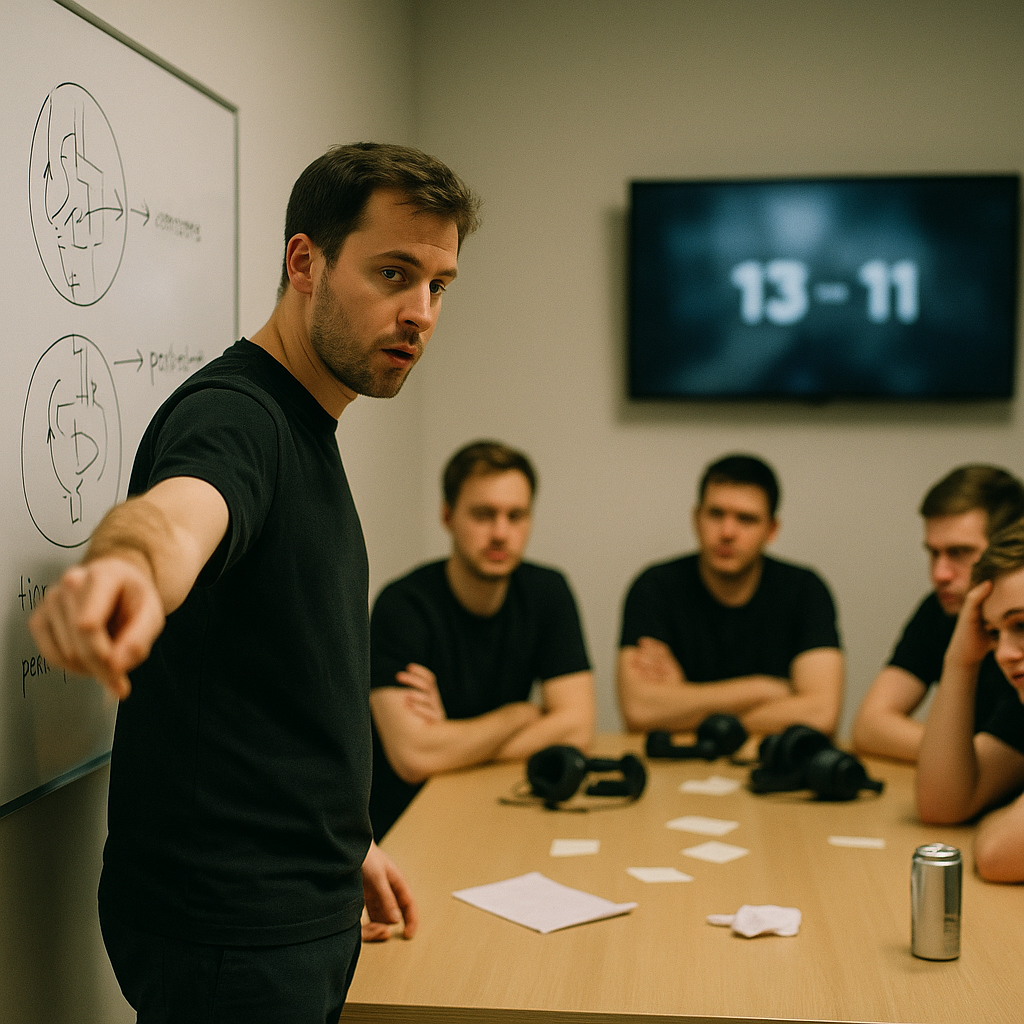
Ultimately, understanding the phrase as a diagnostic tool rather than a definitive judgment allows teams, coaches, and analysts to focus on sustainable changes. That approach benefits competitive performance and creates a healthier narrative around growth and resilience in CS2 competition.